
Good Thinking Habits: What Good Thinkers Do Differently (That the Rest of Us Miss)
FYI: It’s not about being the fastest or the loudest.
You probably know someone who always seems to “get it.” They cut through the noise. Ask the right questions. They don’t overreact. And somehow… they usually get it right. You might assume they’re just naturally sharp. But most of the time, they’re not working with better brains, just better thinking habits.
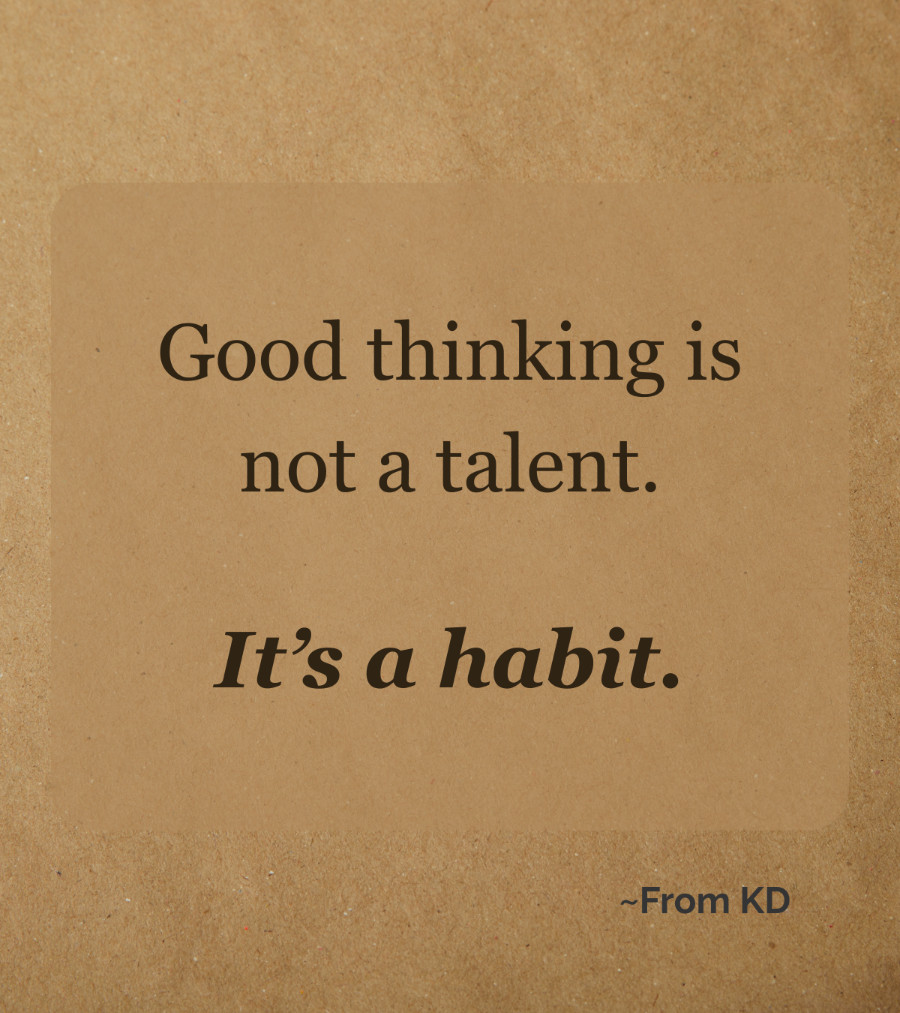
Good Thinking Habits
Here’s what good thinkers consistently do that the rest of us miss.
1. They Pause Before They Decide
Good thinkers don’t rush decisions — even small ones. They pause to ask:
- “What am I solving?”
- “What’s missing here?”
- “What’s influencing me?”
That short pause saves them from overreacting, impulse decisions, and default patterns. (Hint: It’s not slow. It’s strategic.)
2. They Use Frameworks, Not Guesswork
While most people lean on instinct, smart thinkers use structure. They rely on things like:
- Checklists
- Mental models
- Simple decision tools
Not because they’re “trying to be fancy.” Because they know: when emotion spikes, thinking slips. A tool keeps you grounded — especially when your brain wants to bolt.
3. They Question the Obvious
Where most people say “of course,” good thinkers say: “Let’s test that.” They notice assumptions hiding inside certainty. And they’re comfortable saying, “I don’t know yet.”
That habit? It’s not doubt. It’s discipline.
4. They Reflect (But Don’t Ruminate)
Good thinkers review their decisions. What worked? What didn’t? Did I rush? Miss something? Handle it well?
They don’t dwell. They learn. It’s how they quietly get better—even when nobody’s watching.
So… How Do You Become a “Good Thinker”?
It’s not about being born brilliant. It’s about building better habits.
Start with:
- Asking better questions
- Spotting your assumptions
- Using tools when your brain’s tired (because it will be)
That’s what I built the Critical Thinking Habit Tracker for: Daily, doable thinking habits you can build in 2 minutes a day.
And if you want tools, not just ideas—Critical Thinking Essentials is your next step:
See what’s inside. You may be surprised. 🙂
TL;DR?
Good thinkers don’t guess better. They think better. On purpose.