What AI Can’t Do Might Be Your Most Valuable Skill
If you’ve spent even five minutes on the internet lately, you’ve probably felt it. The low-grade panic around AI.
“AI is taking jobs!”
“Your career is doomed!”
“Better learn to code yesterday!”
It’s enough to make a person want to crawl under their desk or look into finding a new career.
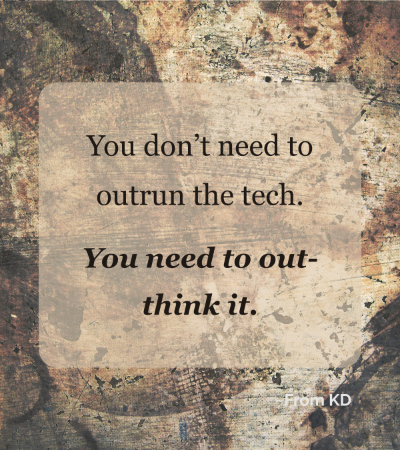
But what I’ve found is that most people are focusing on the wrong parts of the AI story. You don’t need to outrun the machines. You need to out-think them. And I firmly believe that out-thinking a bunch of lines of code is still in the human skill set.
What AI Can’t Do (But You Still Can)
To be fair, AI is good at a lot of things. It can process data, generate text, and even mimic human conversations with alarming fluency. But the stuff it can’t do? That’s where the real opportunity lies.
1. Judgment
AI can crunch numbers, but it can’t pause and ask, “Should we even be doing this?”
It doesn’t second-guess itself or weigh the why behind the what.
2. Context Awareness
AI spots patterns but doesn’t truly understand nuance.
It can’t read the room, or the messy, real-world situations we humans deal with every day.
3. Strategic Thinking
Machines execute instructions. Humans choose goals, weigh tradeoffs, and decide what really matters.
4. Trust and Moral Insight
AI can’t earn trust, handle ambiguity, or care about consequences.
If you find yourself trusting a chatbot more than your colleague, it might be time for a new job (or a new friend).
In other words, the more you rely on AI, the more your human judgment becomes your secret weapon.
The Distraction Trap: What People Are Doing Instead
Meanwhile, a lot of folks are caught in the “distraction trap.” They’re chasing the latest AI tools, obsessing over prompts, or sharing “AI made this!” content like it’s the second coming of sliced bread.
I admit—I’m guilty here. I once spent 45 minutes watching AI-generated images for a fitness post. No regrets, but also I didn’t get much accomplished. (Not to mention I had to keep counting arms, legs, and fingers.)
The way I see it? Trying to win at AI by being faster or flashier is like trying to win a marathon by tying your shoes tighter. It won’t help if you don’t have the right strategy.
The Hidden Opportunity: Deep Skills Are Now Premium
Here’s the secret sauce. Critical thinking, decision-making, and self-awareness (once called “soft skills”) are the new hard skills. People who stay calm, think clearly, and use AI as a tool (not a crutch) are the ones who will stand out.
From KD’s guides aren’t hype-filled “master AI in 10 minutes” schemes. They’re practical tools for thinking with AI, not reacting to it.
The Bottom Line: Be Sharper Than the Algorithm
You don’t have to become an AI expert overnight. But you do need to get sharper at thinking, filtering, framing, and deciding. With everyone obsessed with speed and shortcuts, clarity and judgment are your best bets.
If you’re worried about AI replacing you, stop worrying about the robots and start sharpening the very skills they can’t replicate. And maybe, just maybe, keep looking into finding that new career—because you never know.
Want to learn how to use AI? Use it more effectively? Know someone who needs to learn how to use AI?
Now available: Using AI Effectively — Beginner, Intermediate, and Advanced Guides
Guides for you to learn how to get a leg up on the competition. (Or just use the technology effectively enough to help with your home maintenance schedule.)