
When Every Team Becomes a Content Team, Who’s Checking the Content?
Once upon a time, only the marketing department wrote content. They planned it, polished it, reviewed it, argued about the Oxford comma, and hit publish with great ceremony. That era ended the moment businesses went digital.
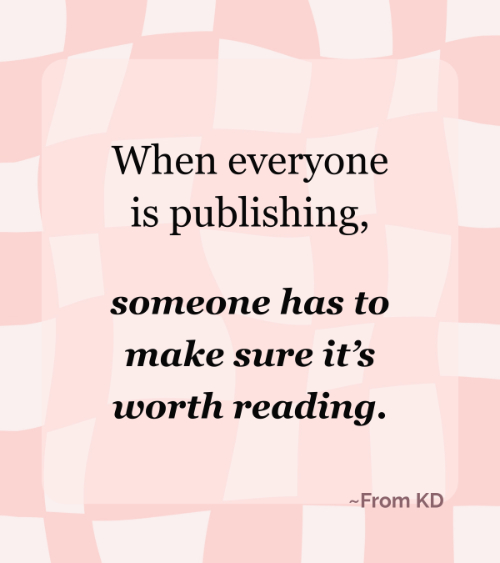
Now every team is a content team. Sales writes their own follow-ups. Customer Support rewrites policies. HR posts announcements. Operations drafts outage updates. Executives jump into LinkedIn like they’re auditioning for TED. And suddenly, you’re running a content factory… without a quality-control department.
“Did We Really Publish That?”
It’s not because people are careless. It’s because they’re human. When teams are busy, the review process becomes: Think → Type → Send → Hope. Which leads to:
- Three versions of the same explanation floating around.
- Email tone that shifts depending on who wrote it (Support sounds helpful, Ops sounds panicked, Sales sounds like a golden retriever).
- AI-generated drafts pasted in verbatim… grammar quirks and all!
- Content that sounds right, but accidentally contradicts something else on the website.
The more teams add “content team” to their responsibilities and publish, the more confusing things get. Unless someone reins it in.
Why This Is Happening (And No, It’s Not Because Your Team Is Bad at Writing)
It’s happening because systems didn’t keep up with speed.
- Digital communication moves fast. Review processes didn’t keep up.
- Leaders tell teams to “create more content,” but never define standards.
- AI makes drafting easy, and accidentally makes publishing too easy.
- Everyone assumes someone else checked it.
- And the biggest reason of all: nobody owns the final word.
That’s where trouble begins.
The Not-So-Hidden Costs of Unchecked Content
Here’s what unreviewed content creates:
1. Mixed messaging
Your brand now sounds like five people fighting over one megaphone.
2. Lost credibility
Typos, logic gaps, unclear instructions—it all chips away at trust.
3. More customer confusion
Which means more support tickets… which means angry customers… which means fire drills.
4. Internal frustration
Nobody wants to be blamed for communication they didn’t even know existed.
5. Decision-making chaos
If teams can’t tell which version is “the right one,” neither can customers.
Businesses don’t fail from lack of content. They fail from lack of aligned content.
What Happens When No One Owns the Review Process?
You get one of four outcomes:
- The Content Vacuum
Everyone publishes freely because no one’s watching. - The Content Bottleneck
Everything piles onto one poor soul who can’t possibly manage the volume. - The Content Guessing Game
Everyone hopes they’re doing it right… but nobody is sure. - The Content Contradiction
Three different teams explain the same thing in three totally different ways.
This isn’t a strategy. It’s a scattershot wish.
The Fix? A Simple Content Check System That Doesn’t Slow Everyone Down
You don’t need a 72-page style guide. You need clarity and a simple workflow that respects everyone’s time. A strong system includes:
1. Clear standards.
Voice, tone, terminology, formatting, what’s allowed, what isn’t.
2. One owner for final approval.
Not to micromanage, but to protect consistency.
3. A quick review workflow.
Fast enough that teams use it.
4. Templates for common content.
Make quality the default instead of an achievement.
5. Training so the whole company knows its expectations.
This is how you stop content chaos without slowing momentum.
Why Copyeditors, Proofreaders, and Content Specialists Matter (More Than Ever)
Because they catch the things you don’t even realize you missed.
- Inconsistencies between pages, emails, and FAQs
- Misleading wording that confuses customers
- AI-generated quirks (“as a large language model…” please, no)
- Tone mismatches
- Logic gaps
- Typos, formatting issues, and unclear instructions
They keep the message clean. They keep the brand trustworthy. They keep the customer from giving up. And yes, this is exactly where freelance help comes in.
No hard pitch, just smart business. If your teams are publishing content faster than you can review it, outside help keeps everything aligned, consistent, and customer-friendly. Creating a relationship with a copy editor/proofreader (or three, if your business creates a lot of copy) can keep your brand consistent and clean, and your copy working for you.
Practical Fixes You Can Start This Week
- Pick one “content owner” for final review. (One for each team, if necessary)
- Start with the customer-facing essentials: website, onboarding guides, emails, policies, FAQs.
- Create one template per department for the content they use most.
- Use a simple, one-page “Before You Hit Send” checklist.
- Schedule a once-monthly content clean-up—like spring cleaning, but for your brand voice.
Small changes result in fewer mistakes, happier customers, and fewer support headaches.
Closing Thought
Everyone creating content is a strength… only if someone makes sure it all makes sense.
Your business doesn’t need less content. It needs checked content. And once you fix that, your brand suddenly feels smarter, calmer, and ten times more trustworthy.