
Everyone’s in a “Season”–Why Patience Beats Snap Judgments
You’ve probably done it. We all have. Someone shows up late, seems distracted, or drops the ball, and your mind fires off: unreliable… careless… not worth my time.
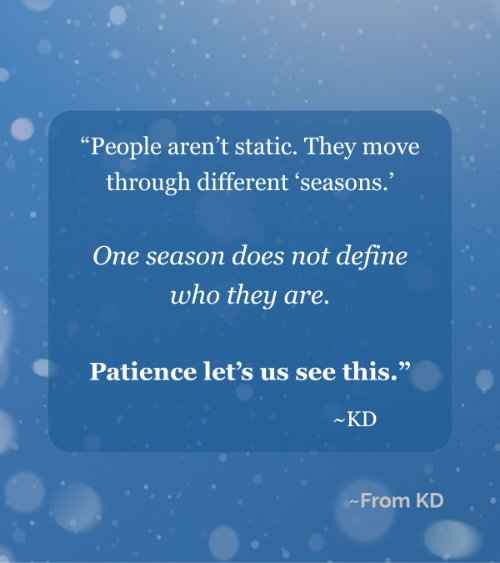
Snap judgments feel efficient. They let us sort people fast and move on. But there’s a problem with this strategy. People aren’t static. They’re in “seasons.” And if you treat a “winter” moment as someone’s permanent climate, you miss who they really are.
The Case for Seasons
Life runs in cycles. Sometimes someone’s in their spring—new projects, fresh energy, ideas bursting everywhere. Other times, they’re in a quiet winter—dealing with illness, grief, or burnout. Snap judgments ignore the rhythm of human life. Patience acknowledges it.
When you recognize seasons, you make better decisions about who to trust, who to support, and when to step in. Instead of cutting people off too quickly, you build long-term relationships that outlast short-term hiccups.
Why This Matters in Work and Business
- Hiring & Teamwork: That distracted new hire? Maybe they’re moving apartments. Patience lets you see potential before writing someone off.
- Customer Service: An irate customer might just be in their own rough season. Respond calmly and you’ll win loyalty, not just defuse conflict.
- Networking & Partnerships: Timing is everything. Someone unavailable today could be your best collaborator next quarter.
A Practical How-To
Here’s the simplest tool I use: pause. Instead of stamping someone “difficult” or “lazy,” I ask myself, “Could they be in a season? And if so, which one?” This mental step slows me down, makes me curious, and keeps me from burning bridges unnecessarily.
The Payoff
Patience isn’t passive. It’s an investment. By giving people room to move through their seasons, you strengthen trust, open doors to future opportunities, and avoid the embarrassment of misjudging someone who later proves invaluable.
Snap judgments might feel satisfying in the moment. But patience is the strategy that pays off long-term.