
6 Steps to Learn Something New, Even When You’re Overwhelmed
You’ve been meaning to learn something new. Maybe it’s a skill, maybe it’s a tool like AI. But life keeps getting in the way. Between work, responsibilities, and general burnout, who has the time or brain space?
Guess what, you don’t need perfect conditions to learn. You just need a better system. Learning when you’re already overloaded isn’t about willpower. It’s about design.
Here’s how to learn something new and make learning work, even when your brain’s at capacity.
1. Stop aiming for mastery. Aim for motion.
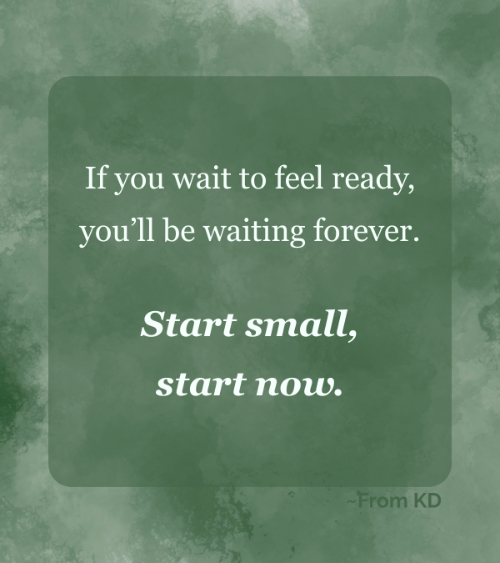
“Learn something new” often feels heavy because we think it means “master something big.” But that’s not the goal. The goal is progress. Start small, stay consistent, and get just one layer deeper than you were yesterday. One concept. One insight. One action.
Mastery happens by accident. Momentum happens by design.
2. Avoid the firehose. Pick one source.
When you’re overwhelmed, the last thing you need is a dozen tabs open, three half-finished courses, and a stack of unread PDFs. Instead, choose one source you trust. One person, one podcast, one guide. Let that anchor you until you’re ready for more.
Curation beats consumption when your time is limited.
3. Set smaller targets (with less friction).
Reading a full book might feel like too much right now. But could you read 2 pages? Listen to 5 minutes? Highlight 1 thing?
Make your learning tasks so small they don’t trigger resistance. A micro habit is more useful than a big intention that never gets done.
4. Capture what clicks.
If it helps you, note it. Write it down. Talk it out. Use a voice memo or a sticky note, or a “brain dump” doc on your desktop.
What you record, you retain. What you reflect on, you deepen. No fancy system needed. Just a way to revisit what matters.
5. Connect it to something real.
Learning sticks when it solves a problem you actually care about. If you’re trying to learn AI, use it to write an email or research something you’re curious about. If you’re picking up a skill, apply it to a real-life project, even something tiny.
The brain loves relevance. Give it a reason to care.
6. Use a structure that guides you.
Overwhelm thrives in chaos. But a simple structure? That’s what keeps learning doable, especially when you’re busy.
That’s why I created the From KD Critical Thinking Habit Tracker—a free, simple tool to help you build consistency with just a few minutes a day. Whether you’re learning AI, sharpening your thinking, or exploring a new topic, the tracker helps you stay focused without burning out. And it’s free!
Bottom line?
If you’re overwhelmed, you’re not broken. You’re just human. Start smaller. Go slower. But keep going. Because the best time to learn something new isn’t when life is calm and easy. It’s when life is hard… and you’re still moving anyway.