
“How to Know If You Actually Need to Improve Your Thinking”
(Hint: It has nothing to do with how smart you are.)
Most people assume they think clearly… because what else would they be doing all day? But if you’ve ever walked away from a conversation, a decision, or a dense article with mental fog, you already know something’s off. You may need to improve your thinking.
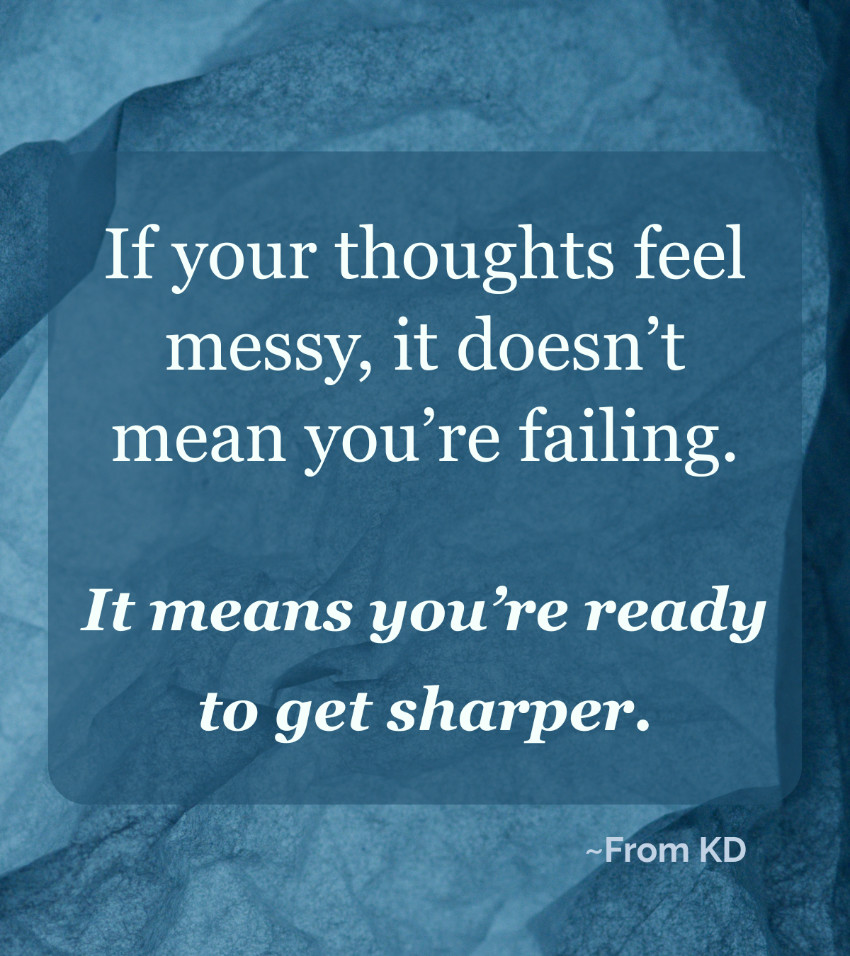
The truth? Clear thinking isn’t automatic. It’s not a side effect of education, intelligence, or experience. It’s a skill. One that even the sharpest people sometimes forget to sharpen. So how can you tell if yours could use a tune-up?
7 Quiet Signs Your Thinking Might Need Sharpening
Not dramatic. Not diagnosable. Just… familiar.
- You struggle with small decisions.
Even simple choices leave you mentally drained. - You default to Googling things you could figure out.
Because thinking feels slower than searching. - You spot flaws in others’ logic, but can’t unpack your own.
It’s easier to critique than reflect. - You reread paragraphs and still don’t absorb them.
The words register, but the meaning slips. - You second-guess yourself constantly.
Not out of anxiety, but because your process feels murky. - You can’t explain why you believe something.
You “just know,” but can’t trace the reasoning. - You’re thoughtful, but still feel mentally scattered.
You’re not careless. Just overloaded.
These aren’t flaws. They’re signals—signs that your brain’s default mode might be running on reaction instead of reflection.
Why Smart People Miss This
Being intelligent doesn’t guarantee clarity. In fact, the smarter you are, the easier it is to fall into high-functioning confusion. You use sharper language. You make your arguments sound convincing. You win debates. But that doesn’t mean your decisions are grounded in clear thinking.
The best thinkers are often the ones who question their own thoughts the most. Because they’ve learned: confidence is easy. Clarity takes work.
What Clear Thinking Really Looks Like
You don’t have to be a philosopher to think well. You just need habits that help you notice what’s really going on… before you react, respond, or decide. Here’s what sharpened thinking feels like:
- You slow down just enough to evaluate instead of react.
- You can name your assumptions, then test them.
- You know how to apply the right mental tool for the right situation.
- You’re comfortable navigating uncertainty without panicking.
- You make decisions you don’t second-guess two days later.
Sound like something worth building?
Where to Start (If You’re Ready to Sharpen Your Thinking)
If even one or two signs from above hit home, don’t worry. This is fixable. Quietly. Quickly. Without enrolling in a university course.
Start where you are:
- New to this? Try the free Critical Thinking Habit Tracker—a simple way to spot your own patterns.
- Want a strong foundation? The Critical Thinking Essentials Guide gives you the clearest overview of what makes a decision sound—and what usually derails one.
- Already aware but need depth? Think Smarter: The Advanced Guide to Everyday Critical Thinking gives you the high-level tools professionals use when the stakes are high and answers aren’t obvious.
From KD guides are built for people who are already thoughtful… and want to be even sharper.
Final Thought
You don’t need to feel “broken” to benefit from improving your thinking. You just have to want less second-guessing and more grounded confidence in how you reach your conclusions. Clear thinking is a quiet skill, but it has loud results.
Ready to sharpen yours?
Browse all From KD Critical Thinking guides